The Art of Death Stranding 2 Review
Summary: The Art of Death Stranding 2 is a lavish 240-page hardcover that dives deep into the visual evolution of Kojima Productions’ surreal sequel, showcasing character designs, environments, machinery, and unused concepts with stunning clarity. With artwork led by Yoji Shinkawa and thoughtful insights into the creative process, the book highlights the immense care, iteration, and ambition behind the game’s world. It serves as both a premium collectible for fans and a detailed window into how Death Stranding 2 was shaped.
4.5
Drawn Strands
Death Stranding is an action-adventure game released in 2019, developed by Kojima Productions and published by Sony Interactive Entertainment. It marked the first project from Hideo Kojima and his studio following their split from Konami in 2015, placing enormous attention and expectations on its release. Kojima, best known as the director and writer of the Metal Gear Solid series as well as Snatcher and Policenauts, delivered something intentionally unconventional. Upon release, Death Stranding quickly became a major talking point due to its dense, abstract storytelling, genre-defying gameplay, and the introduction of the “strand” system, where player actions subtly influence other players’ worlds.
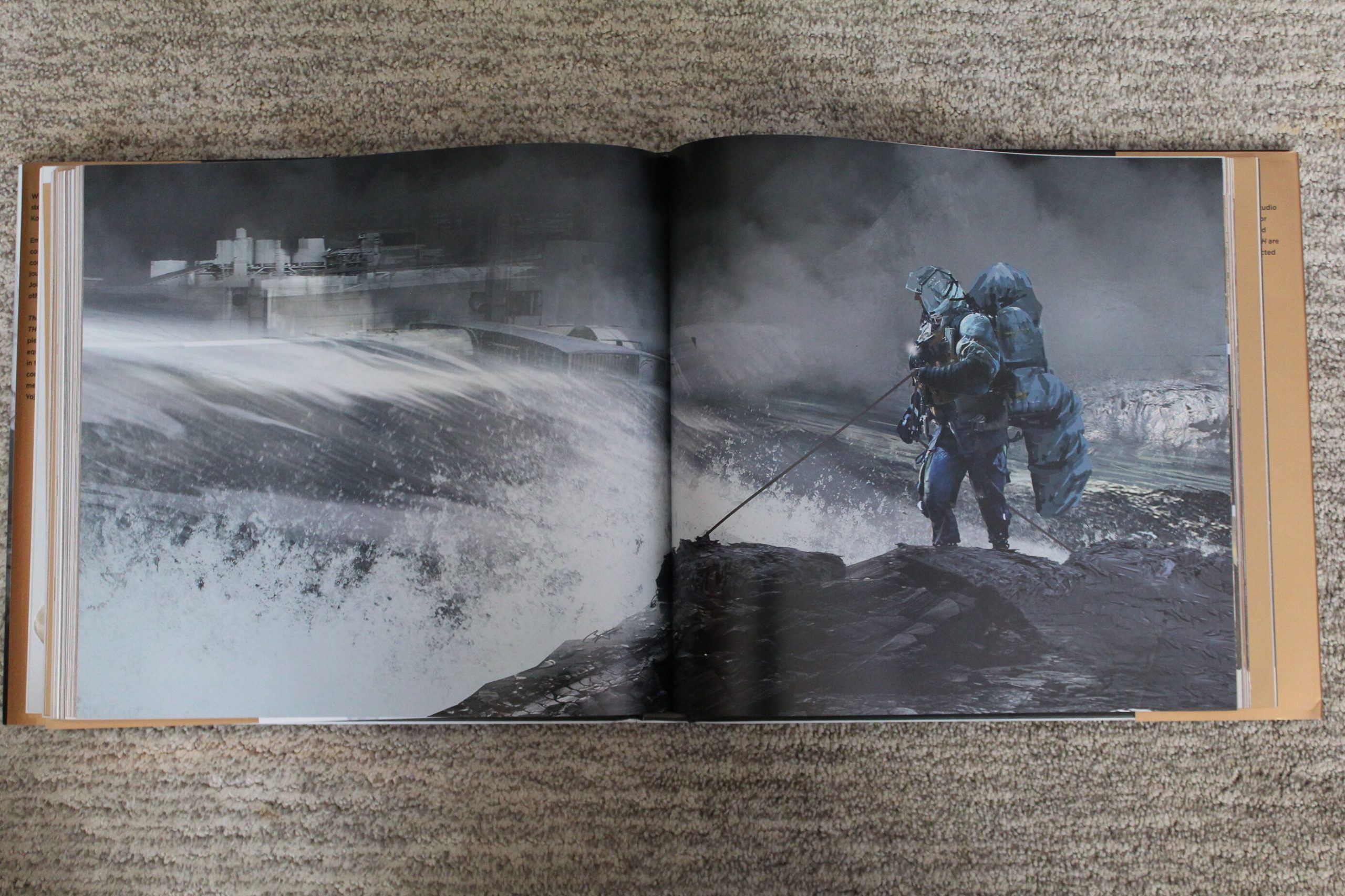
Death Stranding is about rebuilding a fractured America. Players take on the role of Sam Bridges, portrayed by Norman Reedus, whose primary task is delivering packages across harsh and dangerous terrain. Gameplay revolves around careful route planning, inventory management, balance, and the use of tools such as ladders and climbing ropes to safely traverse the world. While its slow, deliberate pace proved divisive at launch, the game gradually developed a deeply devoted fanbase drawn to its themes of isolation, connection, and human perseverance.
The sequel, Death Stranding 2: On the Beach, released in 2025 and builds upon the foundation of its predecessor while expanding nearly every aspect of the experience. It introduces more diverse environments, including deserts and jungles, along with overhauled combat systems, dynamic weather, and significantly improved traversal mechanics. The narrative takes a more personal approach to Sam’s journey while continuing to unravel the mysteries of its fractured world. Visually, the game is packed with striking and often surreal art design, blending natural, photorealistic landscapes with strange, high-tech mechanical elements. The result is an art direction that feels grounded yet dreamlike, haunting and mesmerizing at the same time.
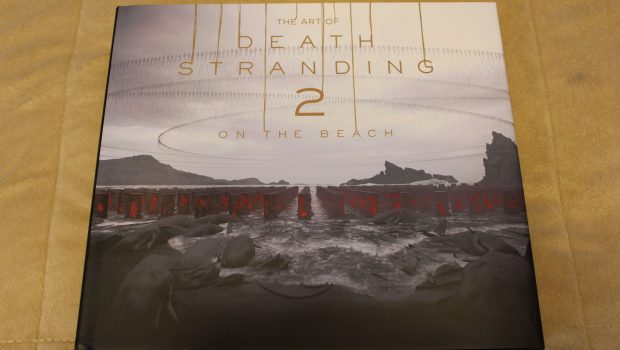
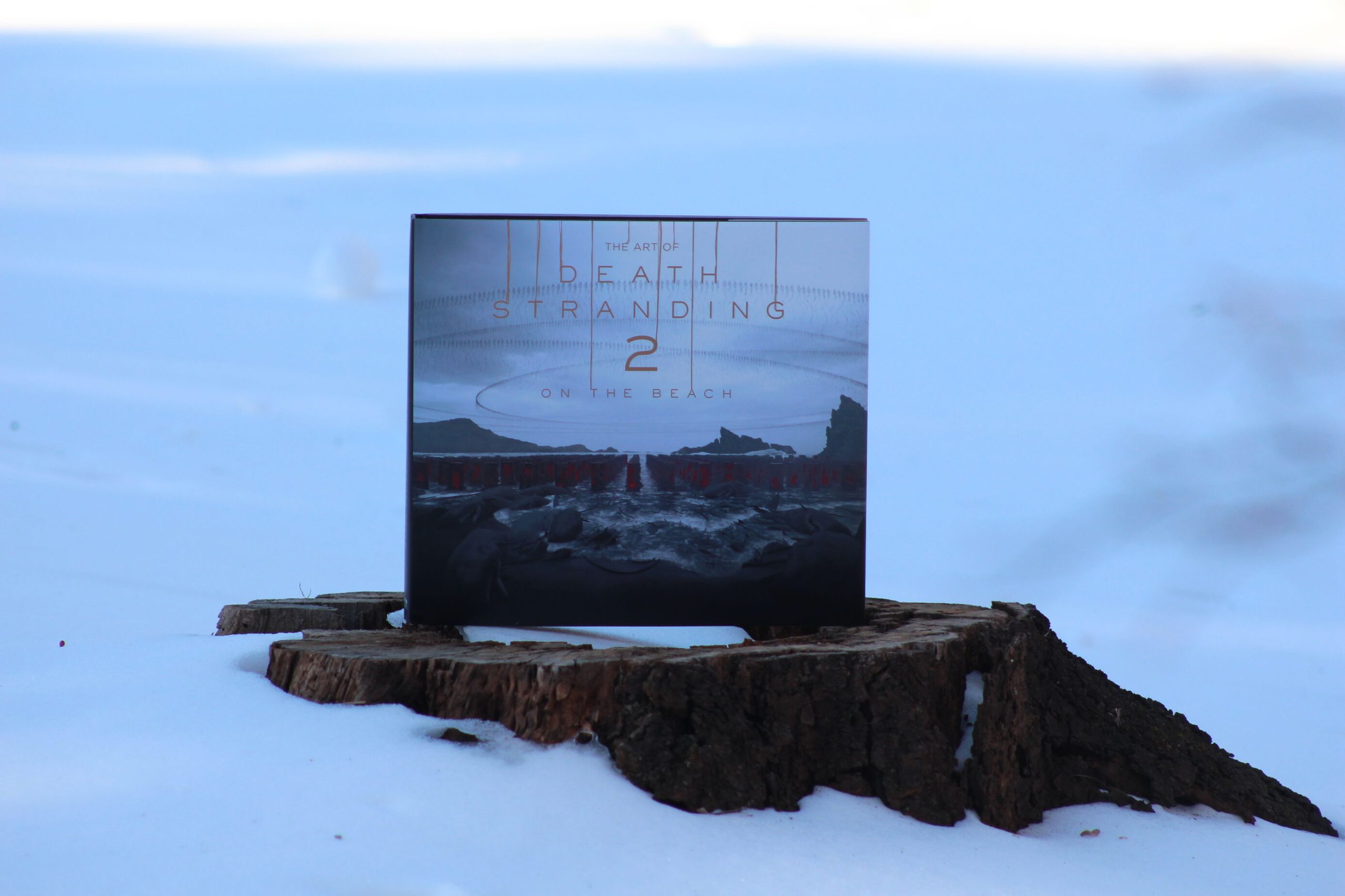
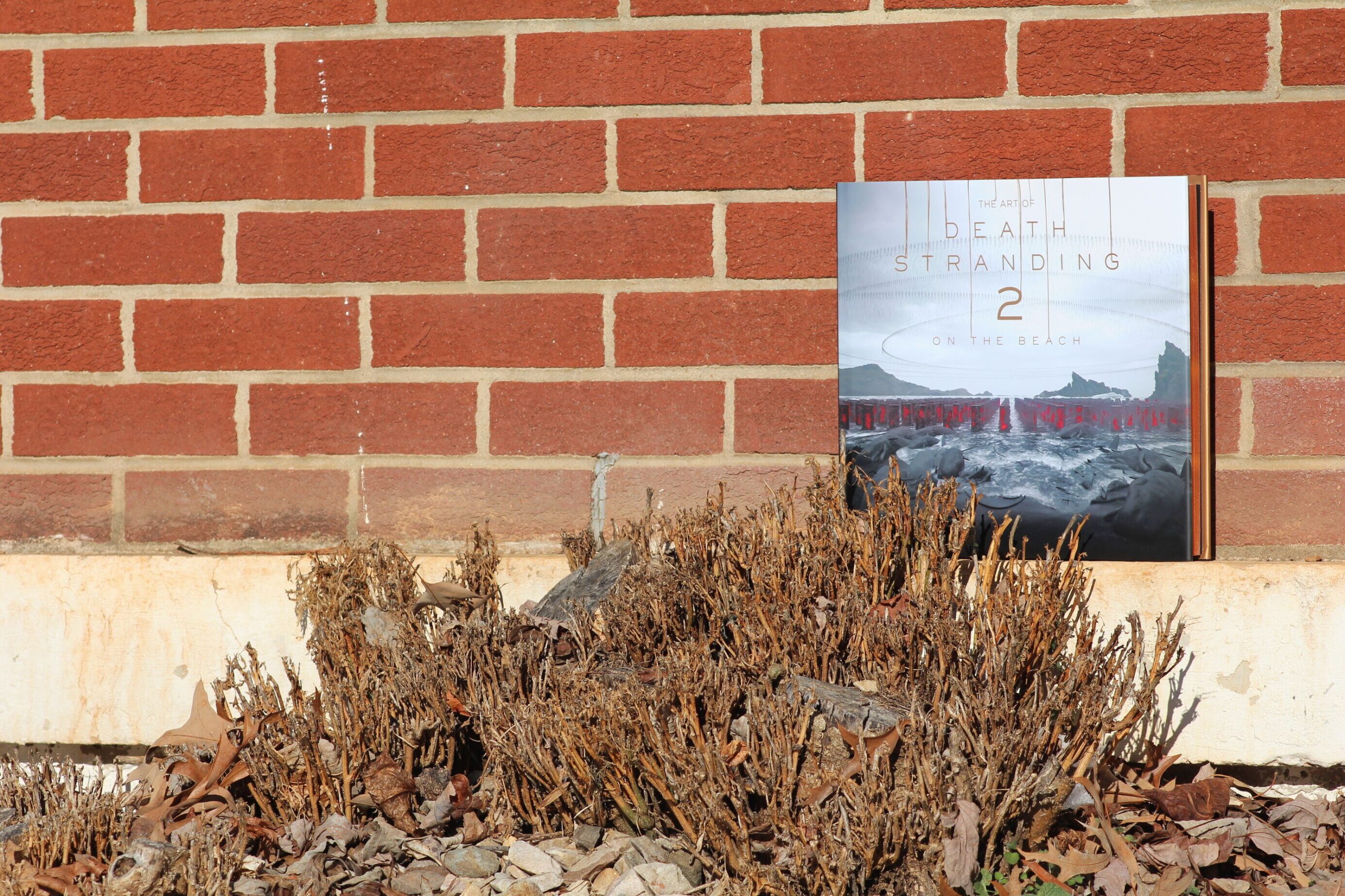
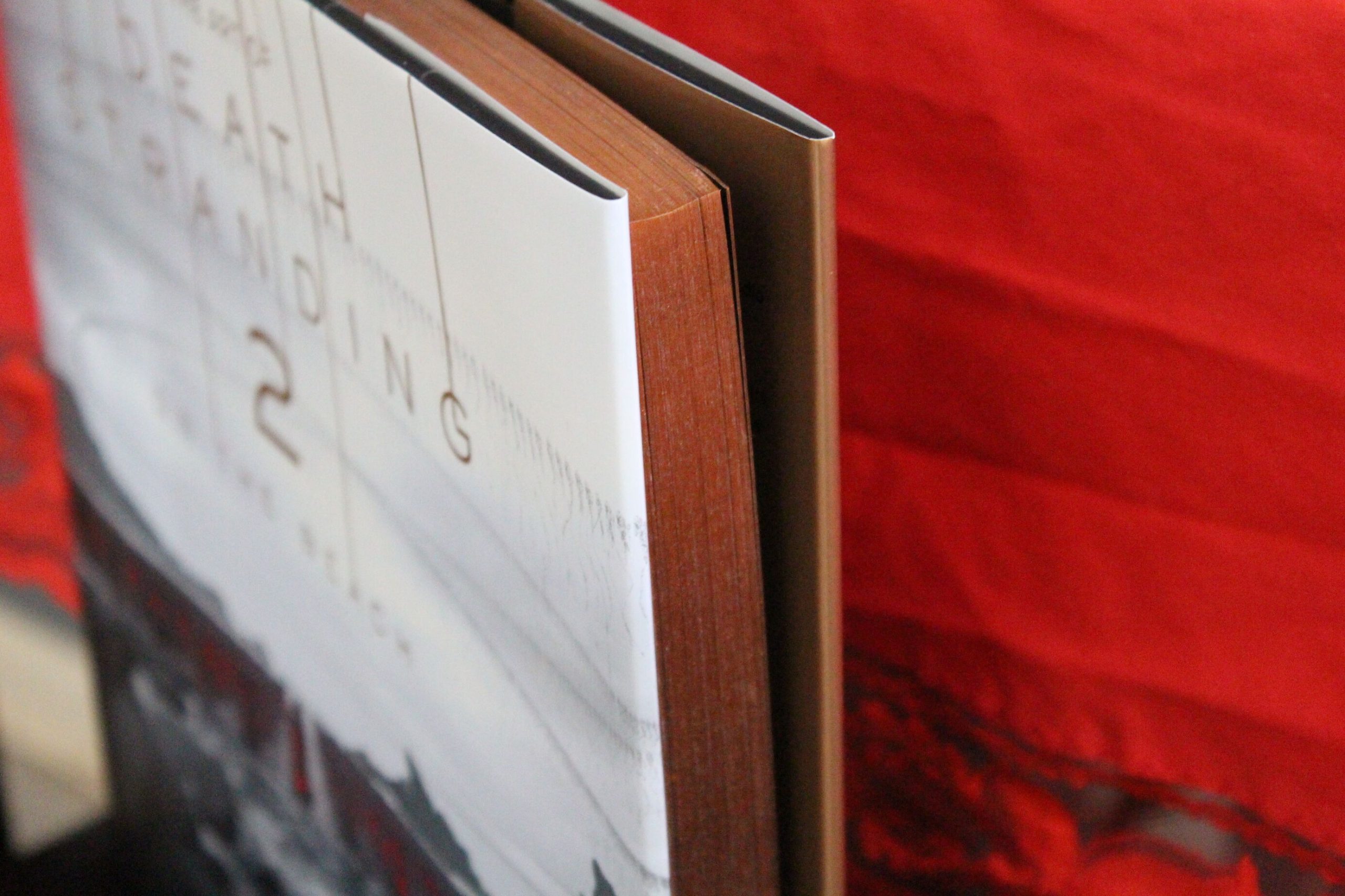
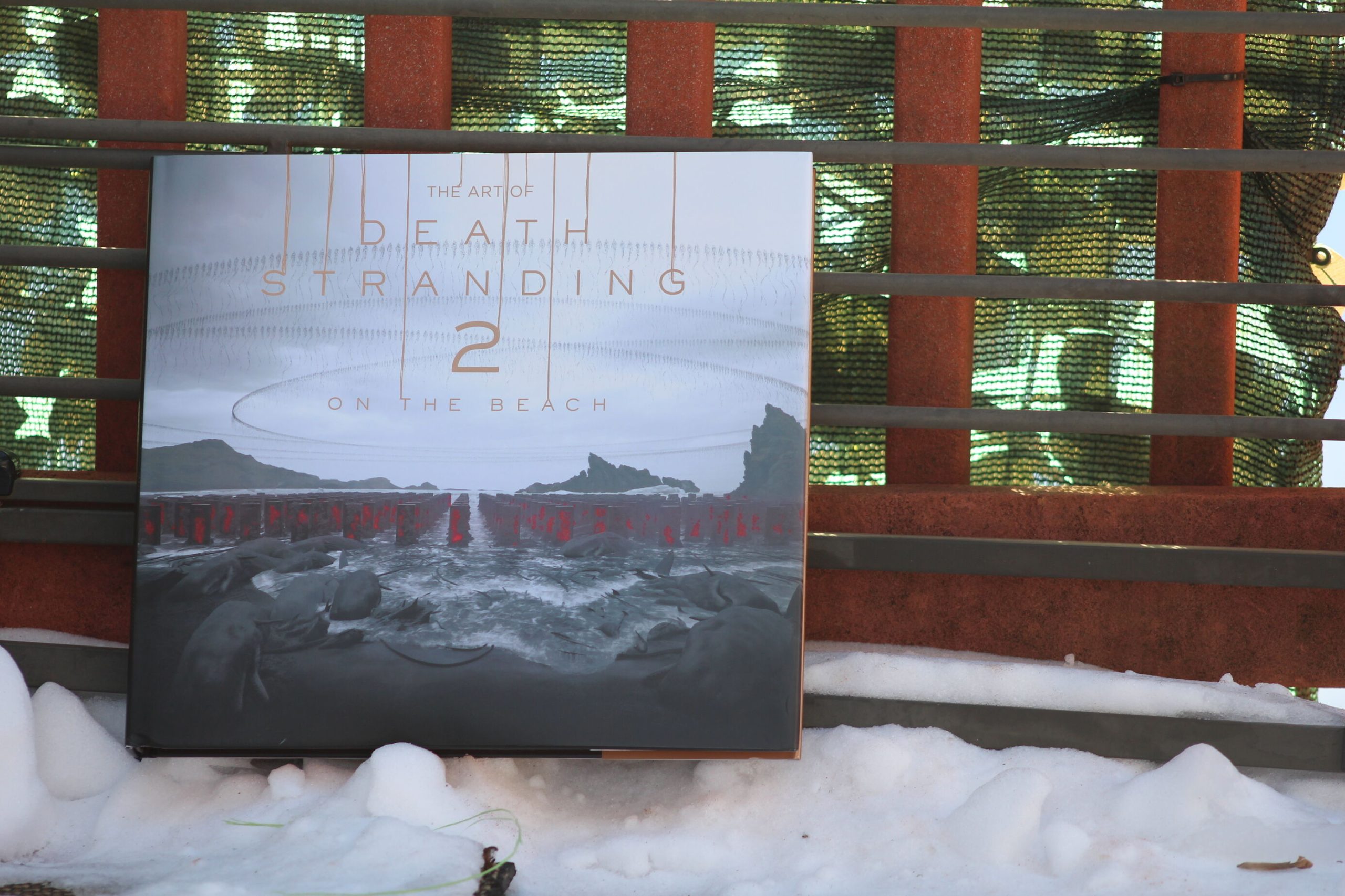
The Art of Death Stranding 2, published by Titan Books and released on February 17, 2026, is a 240-page hardcover artbook that documents the visual development of the sequel in impressive detail. The book showcases everything from character designs and environmental concepts inspired by real-world locations to intricate details of footwear, machinery, and technology. Its presentation immediately stands out, featuring decorative gold-sprayed page edges that carry through the book and onto the back, giving it a premium, almost ceremonial feel. Physically, it’s a substantial release, measuring 12.25 x 1.01 x 11.03 inches and weighing in at 9 ounces, making it a large-format book that fully utilizes its space.
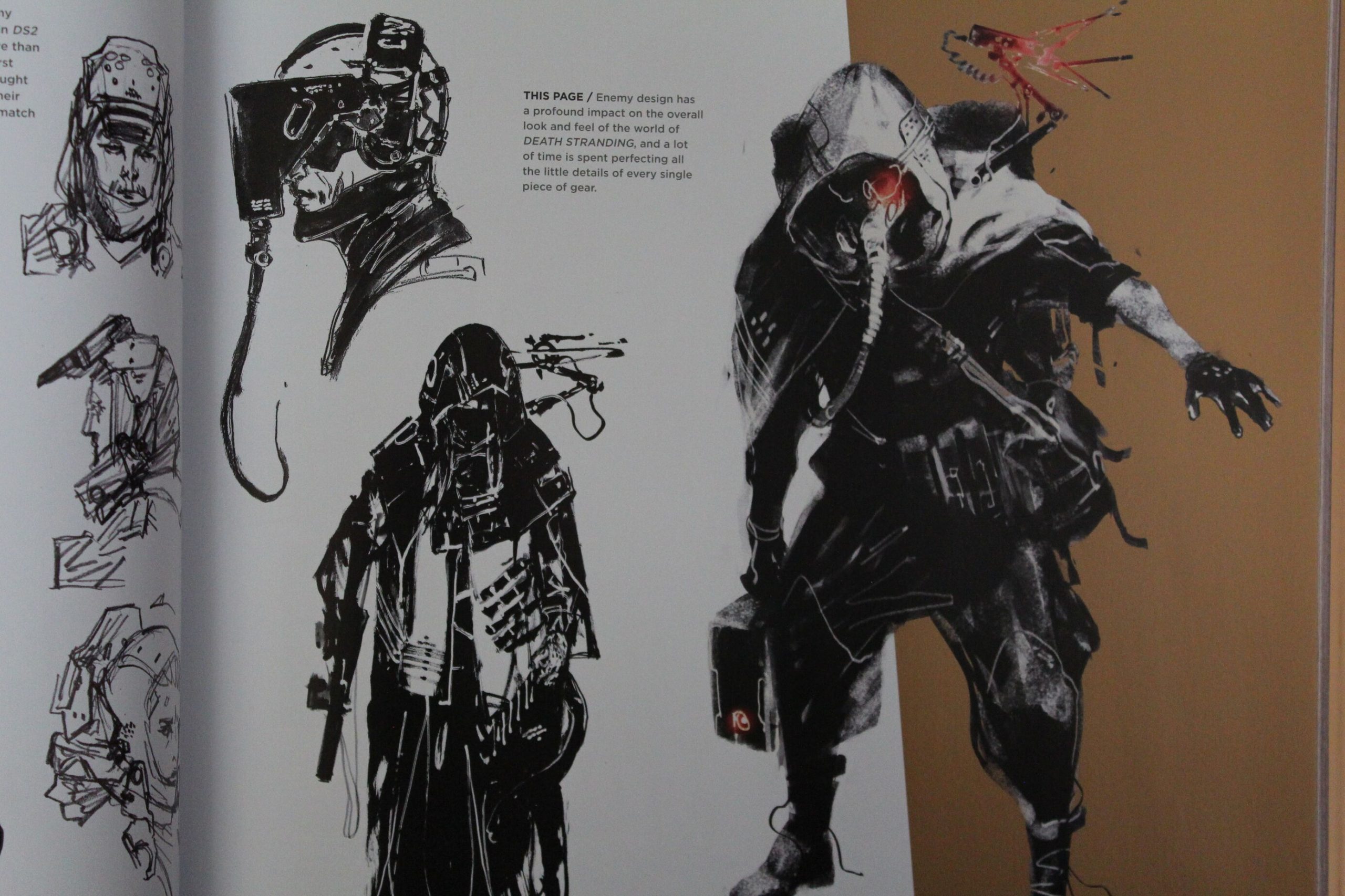
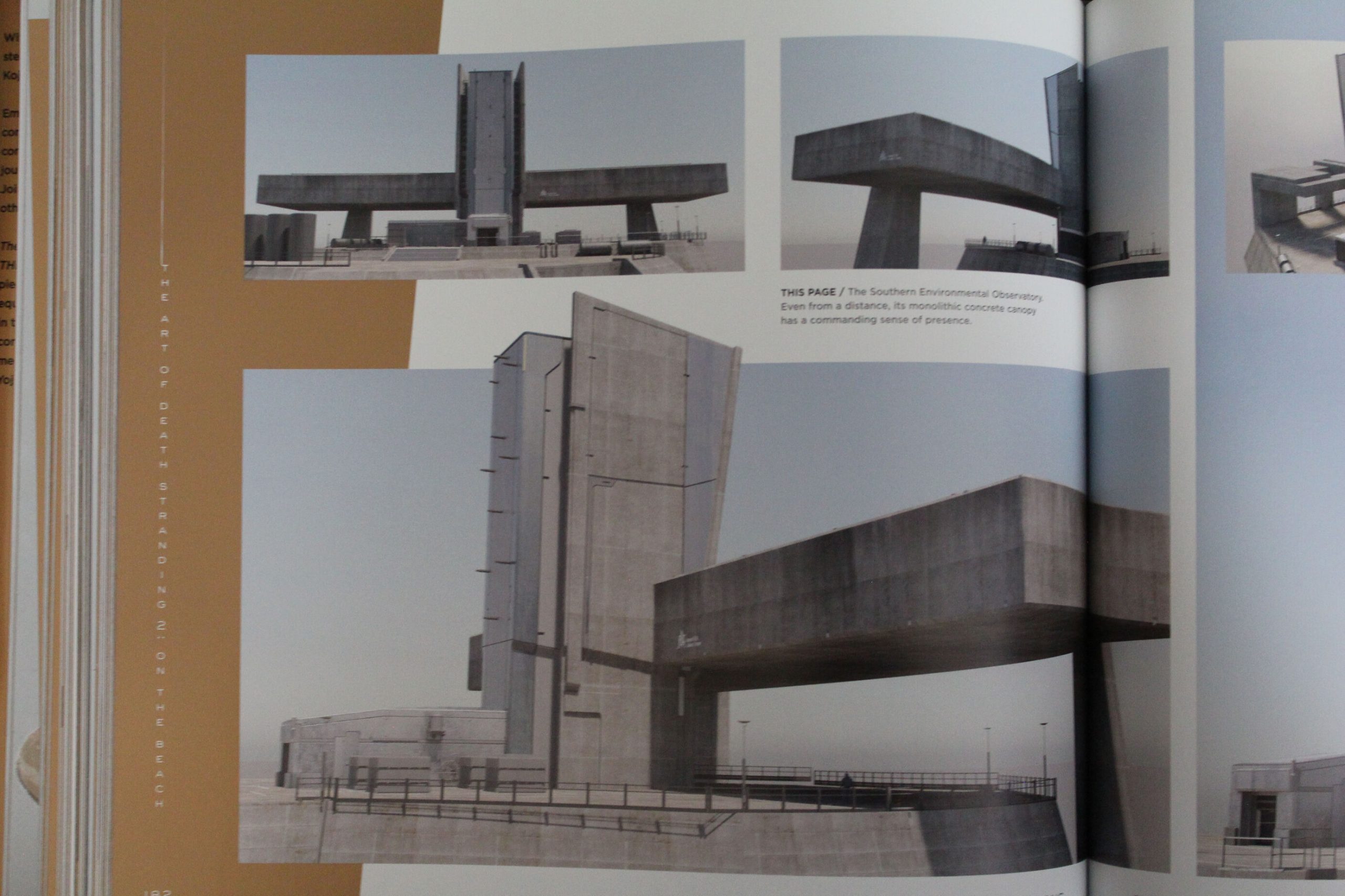
Many artbooks lean heavily on text and explanations at the expense of the artwork itself, but The Art of Death Stranding 2 avoids that pitfall entirely. Art is front and center on every page, allowing readers to fully appreciate the line work, concepts, and extraordinary level of detail behind each design. The book prominently features the work of Yoji Shinkawa, the primary artist, character designer, and art director for Death Stranding 2, continuing his long-standing collaboration with Kojima Productions. His distinctive style is bold, expressive, and instantly recognizable and demands attention, and seeing it presented up close emphasizes just how much care and intention went into every character, piece of equipment, and creature.
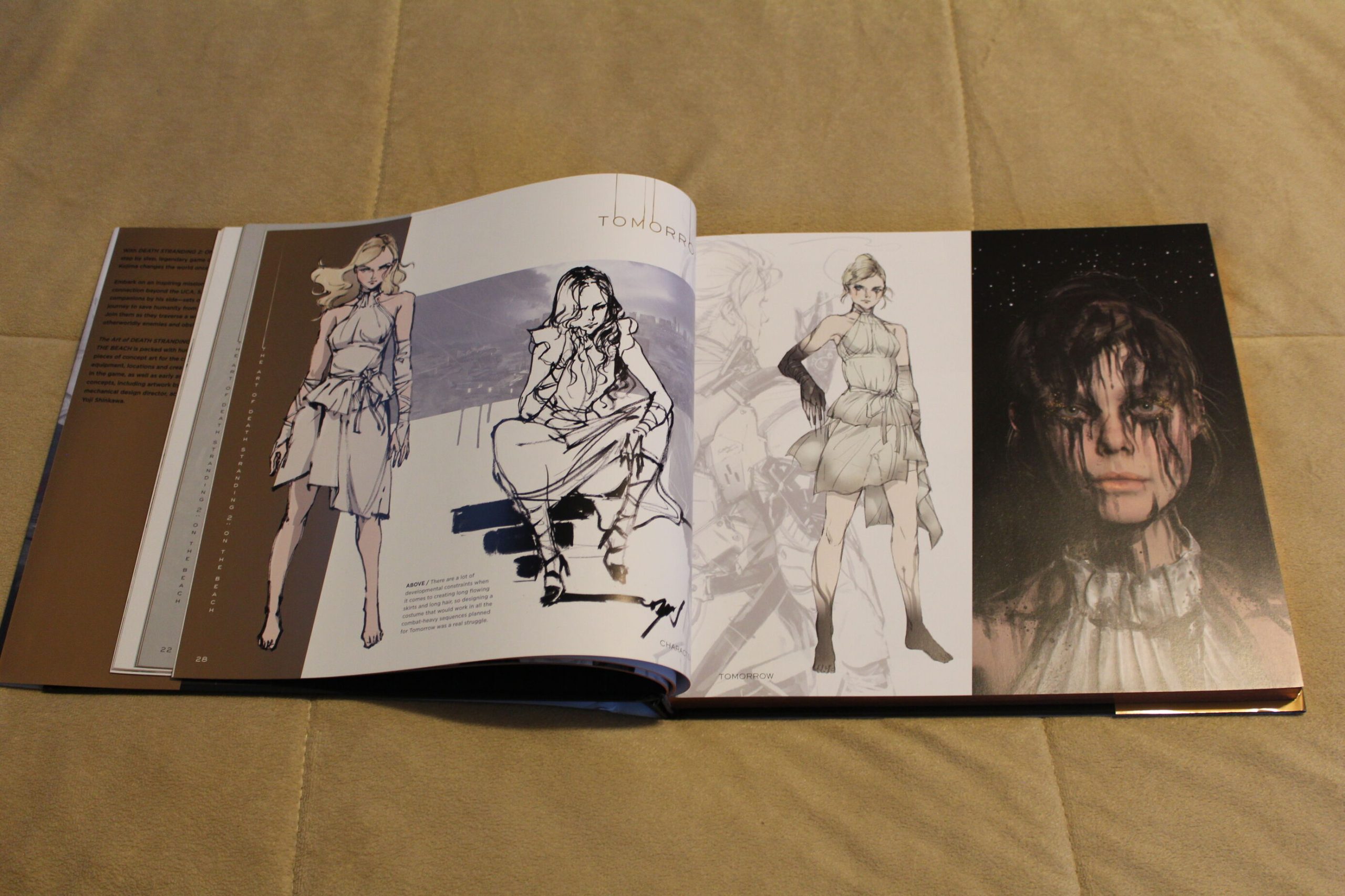
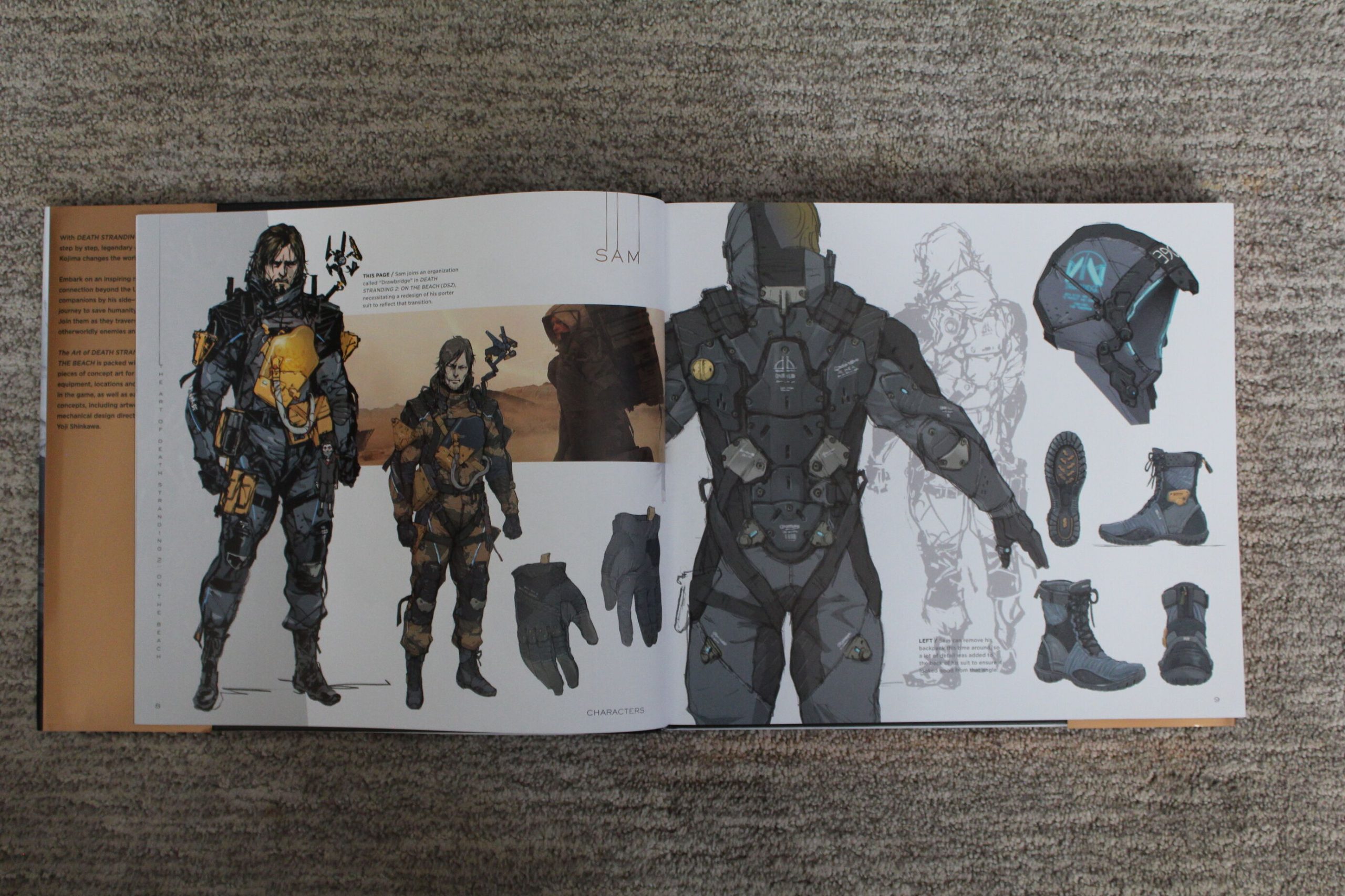
While the artwork is unquestionably the star, the book is also packed with thoughtful and informative insights into the design process. It discusses the redesign of Sam’s suit to reflect his affiliation with the Drawbridge organization, including the need to add more detail to the back once the backpack could be removed. The book explores alternative suit concepts, some of which were repurposed for other characters, as well as the philosophy behind making gear feel universal and functionally believable within the game world. There are also fascinating notes on the challenges of designing outfits for characters with long, flowing hair and ensuring nothing felt visually out of place.

One of the most rewarding aspects of the book is its inclusion of unused and scrapped concepts. Standout examples include early designs of Fragile in a battle suit that were ultimately abandoned as her role shifted toward leadership. Seeing these ideas in motion and understanding why they were changed, offers a deeper appreciation for the evolution of the game’s characters and themes. These behind-the-scenes looks highlight just how much iteration, care, and time went into every design decision.
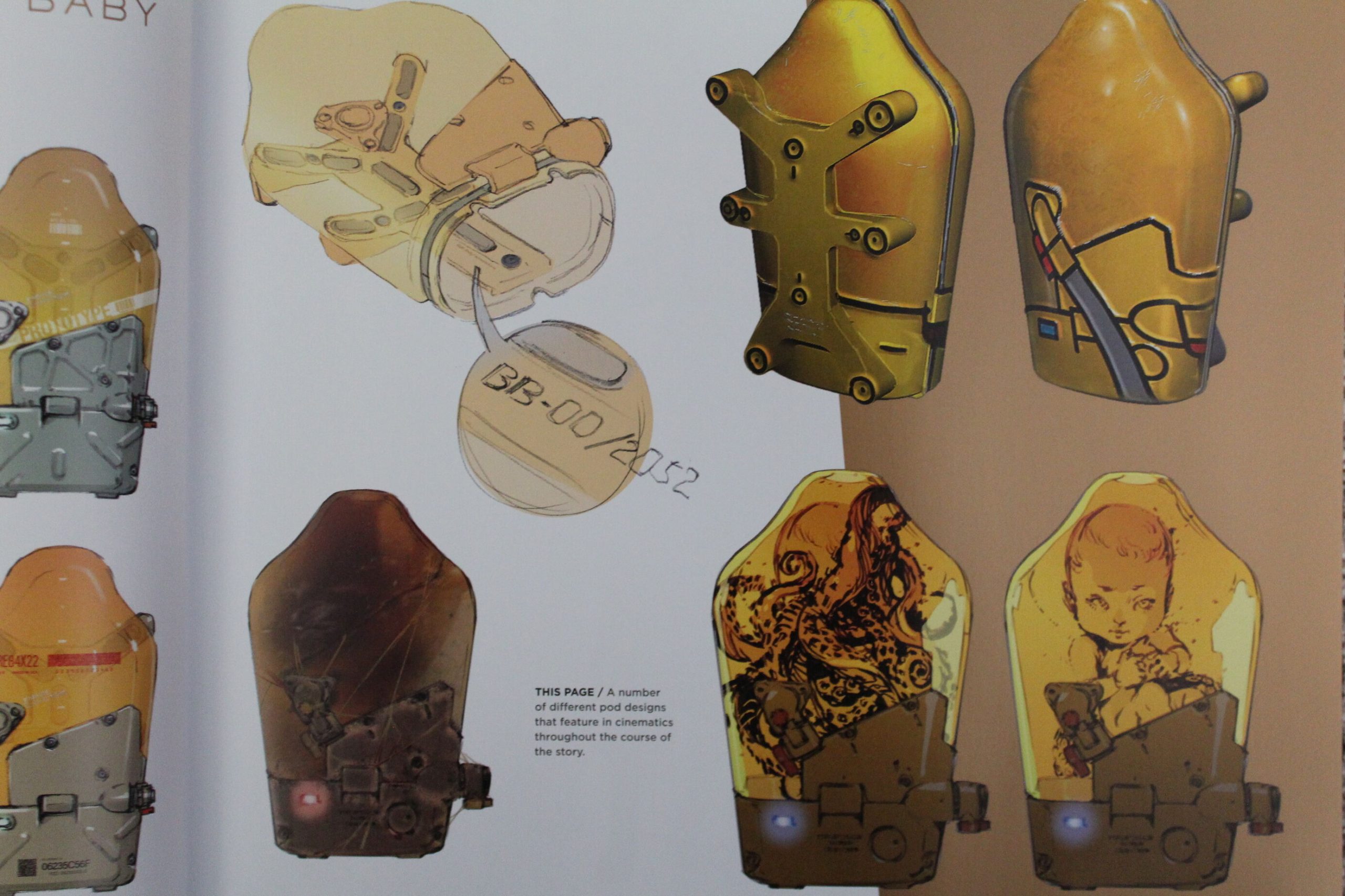
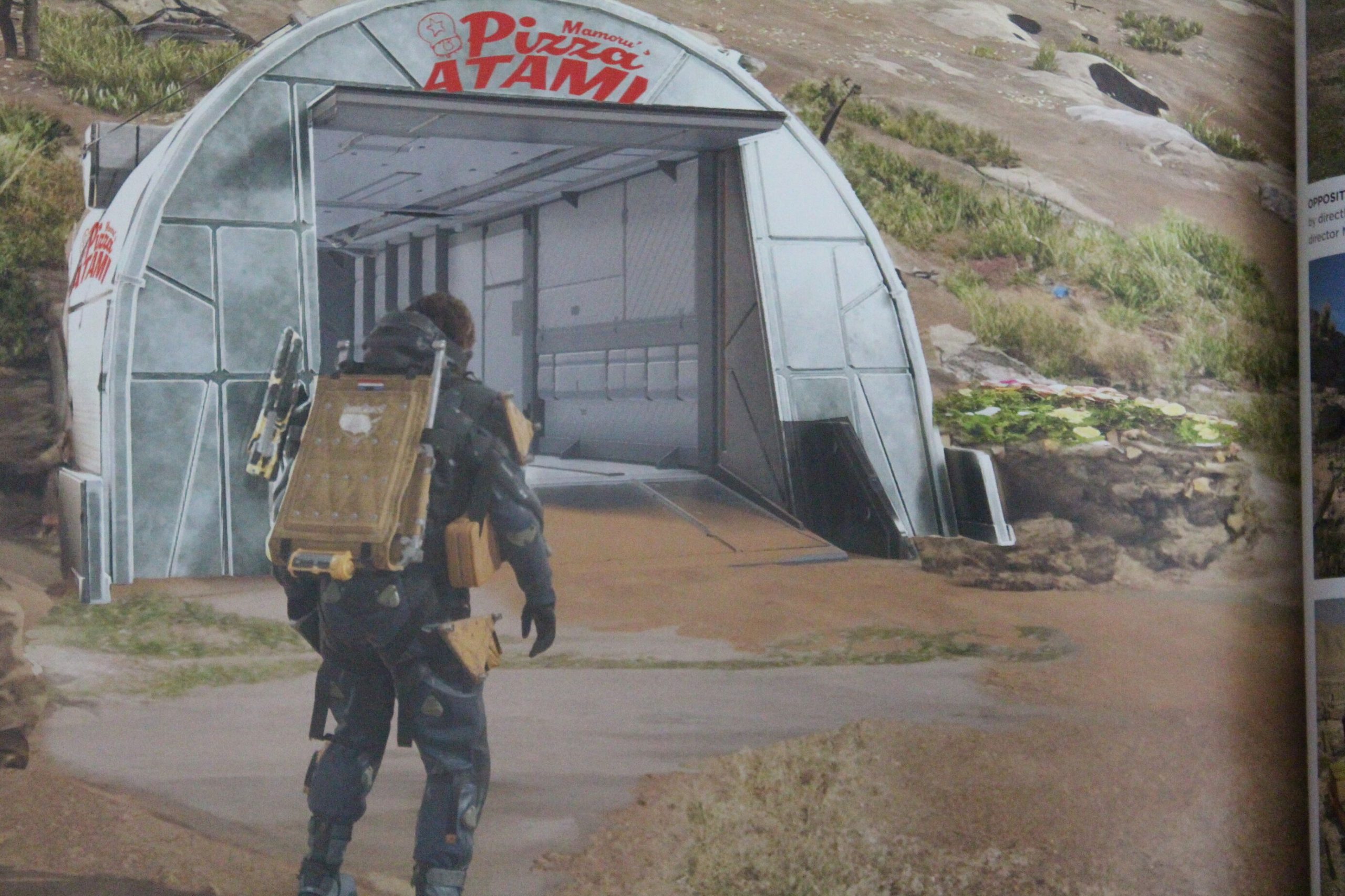
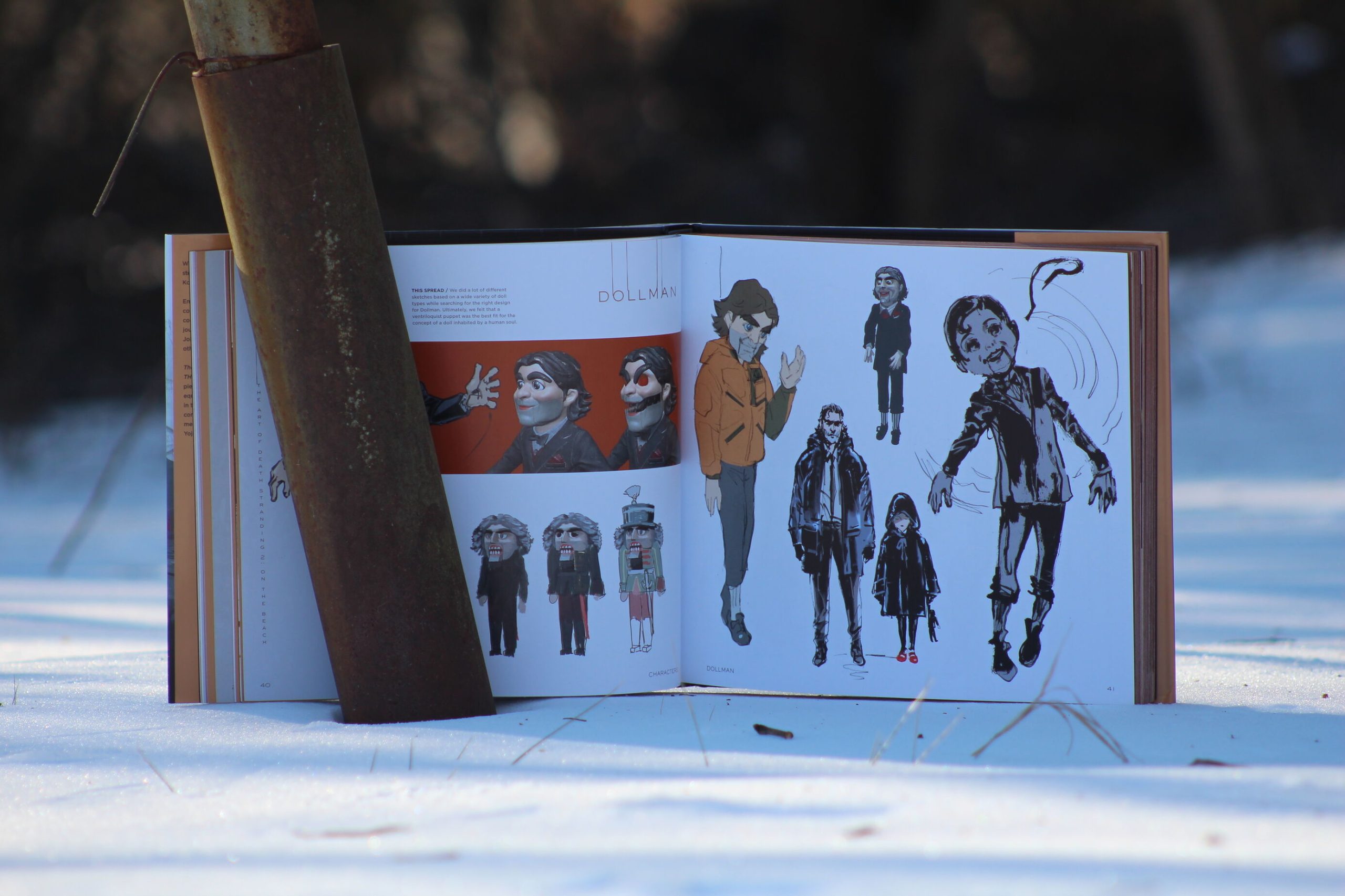
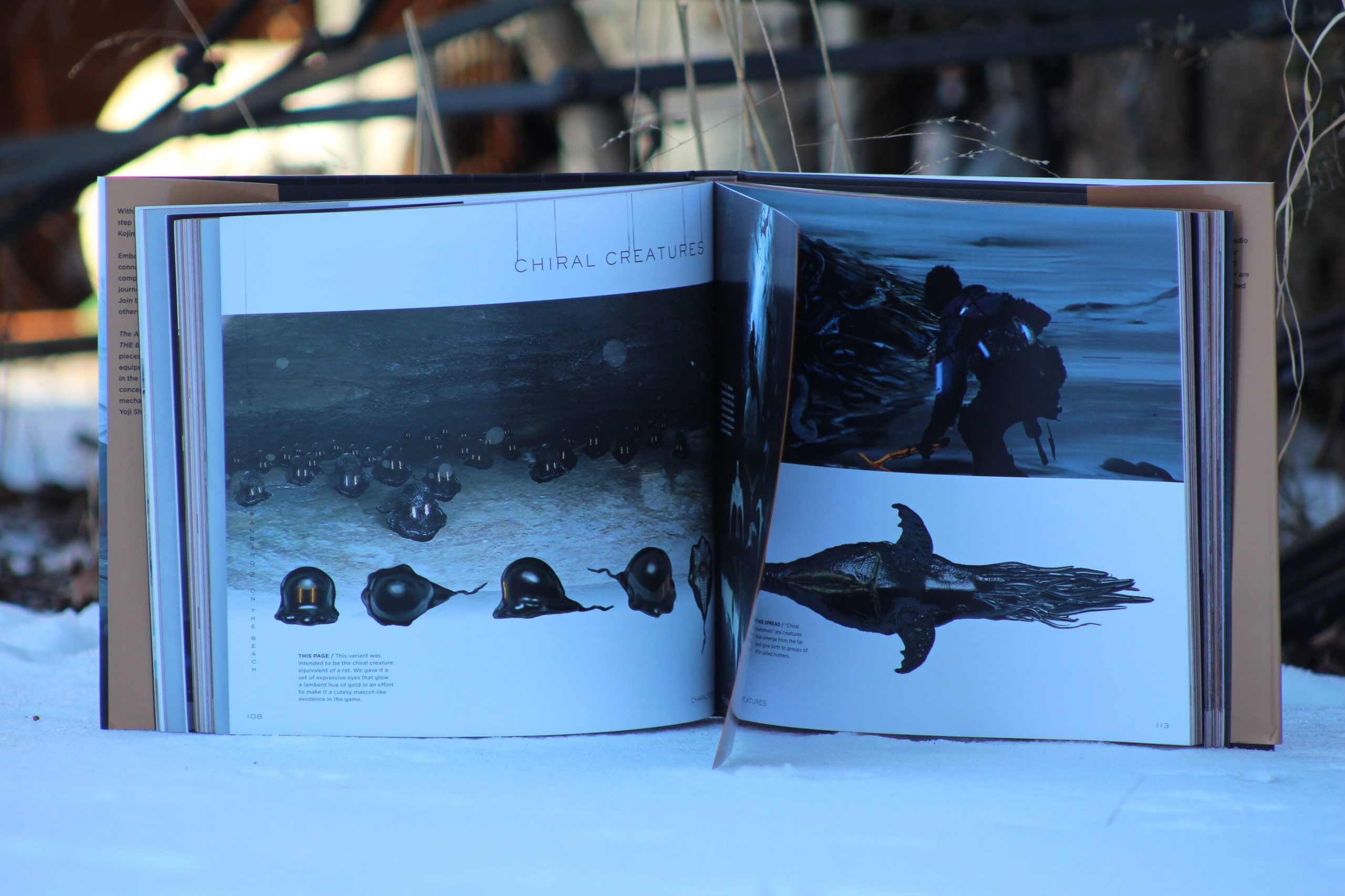
This is the kind of artbook that invites repeat visits. It’s filled with rough sketches, modeling work, polished final designs, unused ideas, breathtaking landscapes, and conceptual backstories that reveal alternate intentions and directions. The sheer density of detail ensures there’s always something new to notice. For fans of Death Stranding, The Art of Death Stranding 2 is an easy recommendation and a worthy investment, both as a visual showcase and as a meaningful record of the creative process behind one of Kojima Productions’ most distinctive worlds.
About the Author

Nay Clark Gaming holds a special place in my heart and I never stop talking about video games. I really love all types of games and have an interest in games that have complicated stories and lore because I enjoy untangling the mystery of it all. When I'm not gaming, I unsuccessfully try to control three amazing and incredibly bright kids.
Related Posts
DISCOVER A BOLD NEW ERA OF INDIANA JONES STORYTELLING IN INDIANA JONES AND THE SWORD OF PANDEMONIUM! →
THE PREDATOR’S GREATEST HUNT BEGINS IN PREDATOR VS. PUNISHER! →
THE WORLDS OF DUNGEONS & DRAGONS IN AN EPIC ONGOING SERIES, DUNGEONS & DRAGONS →