

Lovish Review (Switch)
Summary: Lovish is a whirlwind of quirky challenges, absurd humor, and clever surprises in every corner. Each room feels like a mini adventure, packed with secrets, chaotic encounters, and playful twists that keep the game unpredictable. It’s short, smart, and brimming with personality, proving that a small game can leave a big impression.
4.3
Love Labyrinth
You’d be shocked what love makes you do in this short, punchy game full of personality! Lovish is a 8-bit styled action adventure game developed by LABS Works, published by DANGEN Entertainment, and released on February 5, 2026, for Nintendo Switch, PlayStation 5, Xbox Series X|S, and PC. The game is a single player, side scrolling experience built around room based combat, light puzzle platforming, and a steady stream of secrets to uncover. With character designs handled by renowned manga artist Ryūsuke Mita and a soundtrack composed by Matt Kap, the game immediately establishes a nostalgic tone that feels deliberate. That old school charm is backed up by tight controls and a level of challenge that keeps pushing you forward, making Lovish surprisingly hard to put down once it gets its hooks in.
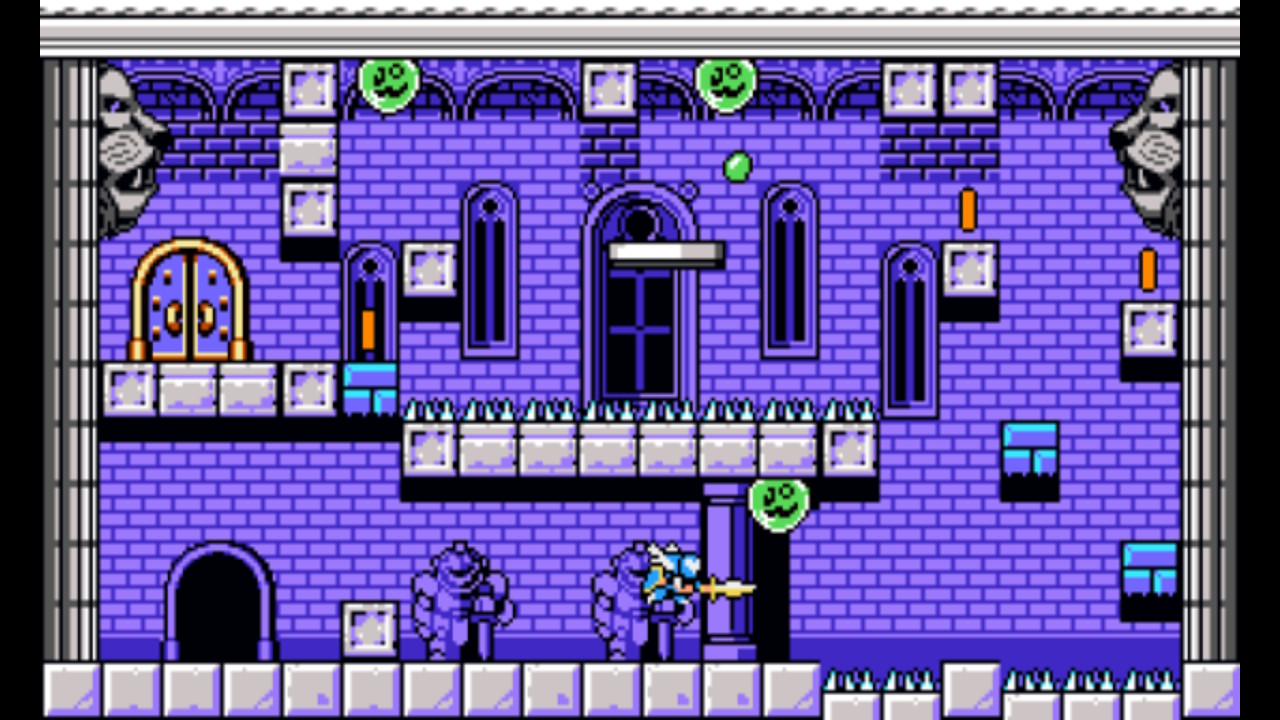
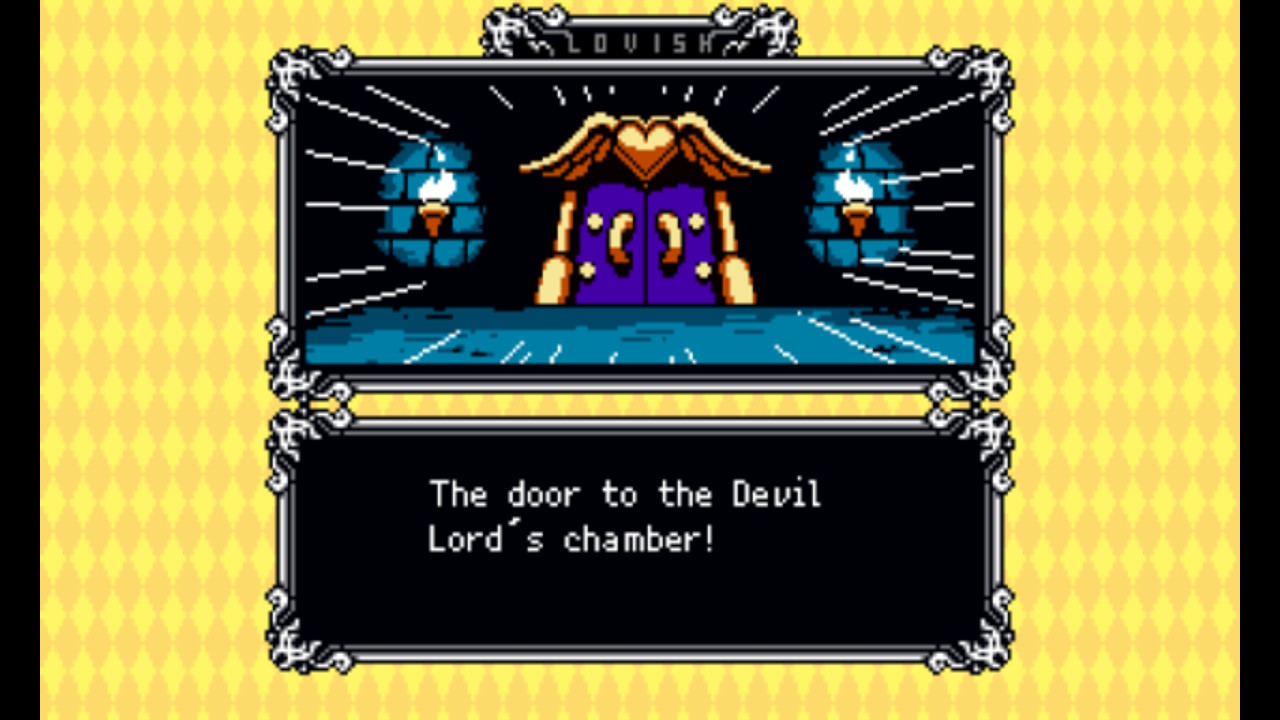
The story is intentionally absurd and leans heavily into humor. Princess Tsuna has been kidnapped by a Devil Lord, and Sir Solomon sets off with the Saviors of Light to rescue her. Solomon’s insecurity gets the best of him as he becomes convinced that once the princess is freed she might fall for one of his companions instead of him. Acting entirely on impulse, he abandons the group, tosses them into the castle moat, and charges ahead alone. From there, Solomon climbs the Devil Lord’s fortress room by room, dealing with monsters, traps, and increasingly strange encounters that constantly undercut the seriousness of his quest. The writing leans into its silliness in a way that gives the game a clear personality.
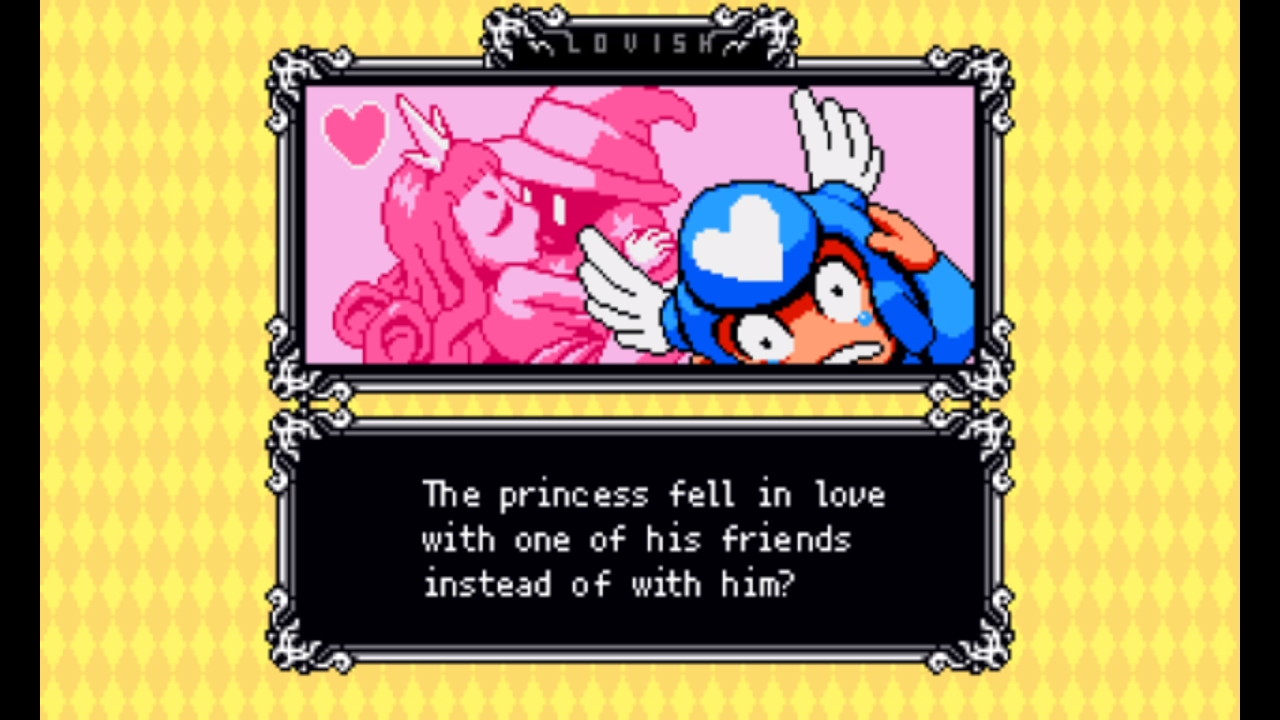
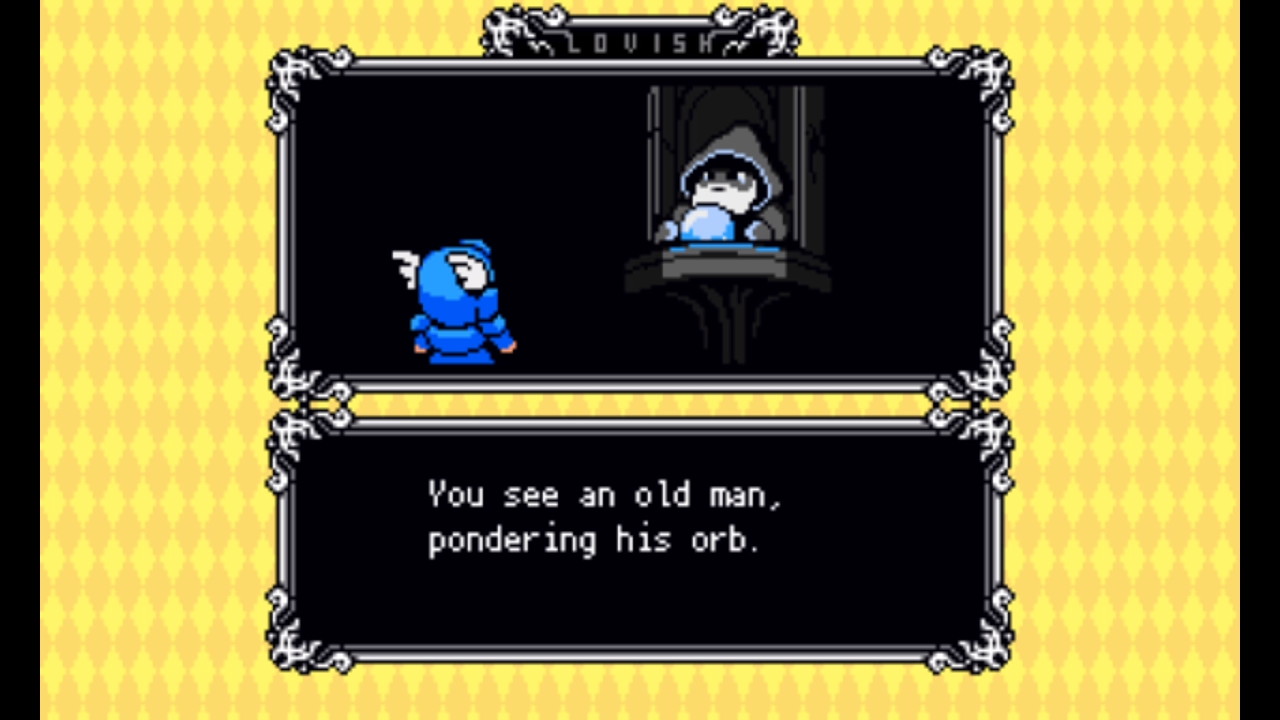
Between stages, Lovish delivers short event scenes that range from genuinely funny to intentionally pointless. Solomon might open a treasure chest only to find it completely empty, get bitten by a baby hippo, or stumble into an encounter that pokes fun at modern gaming trends. These moments can reward you with items or extra hearts, but they can just as easily punish you by taking health away, which keeps you on edge even outside of combat. Boss encounters add another layer to this tone, as Solomon uses his so-called video helmet to overwhelm enemies with affection instead of brute force. Hearts function as both health and a thematic measure of Solomon’s emotional state, and reaching the end with enough of them becomes part of the narrative payoff.
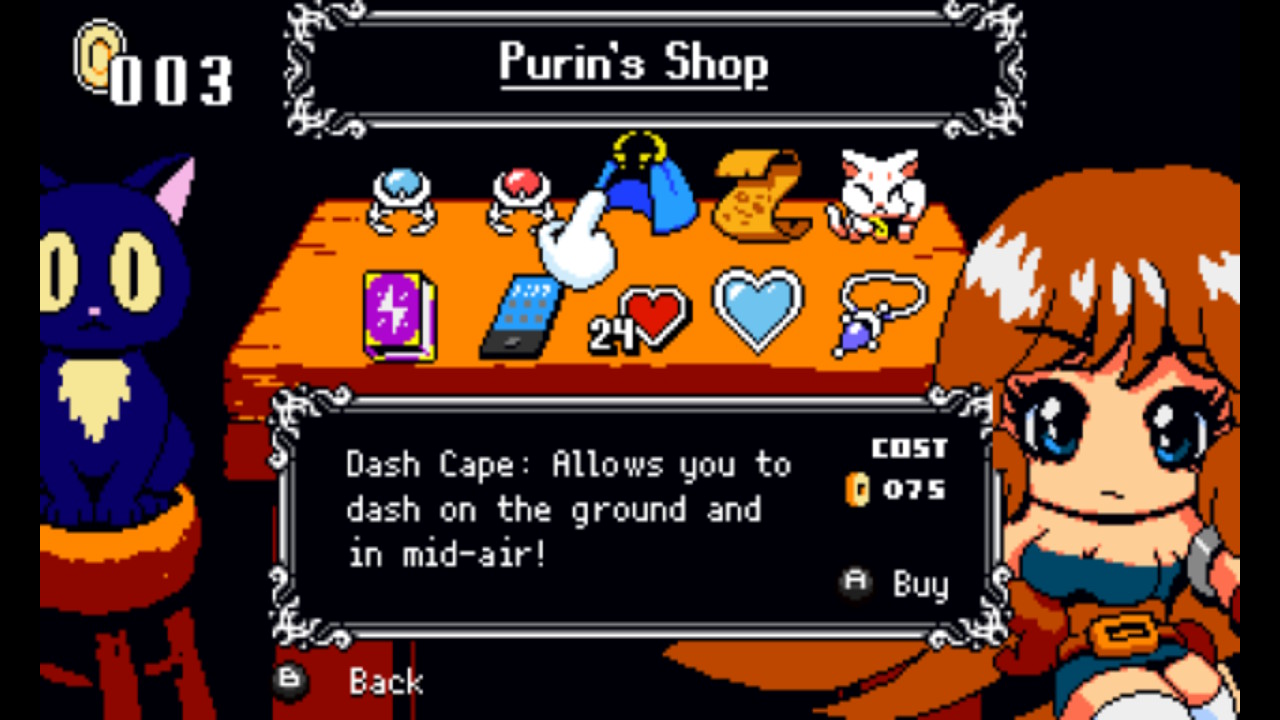
Gameplay is built around more than 50 compact stages, each designed as a single screen room filled with enemies, hazards, and platforming challenges. Early on, the mechanics are simple, with Solomon limited to basic jumps and sword attacks. As you progress, levels introduce crumbling blocks, spikes, switches, water currents, and environmental threats like fire breathing dragons that force you to think more carefully about timing and positioning. Coins collected throughout the castle can be spent in a shop that expands Solomon’s move set, unlocking abilities such as directional attacks, dashes, and a lightning strike. Other shop items add utility rather than power, including a map that highlights rooms with secret chests and a phone that catalogs every character and enemy you have encountered.
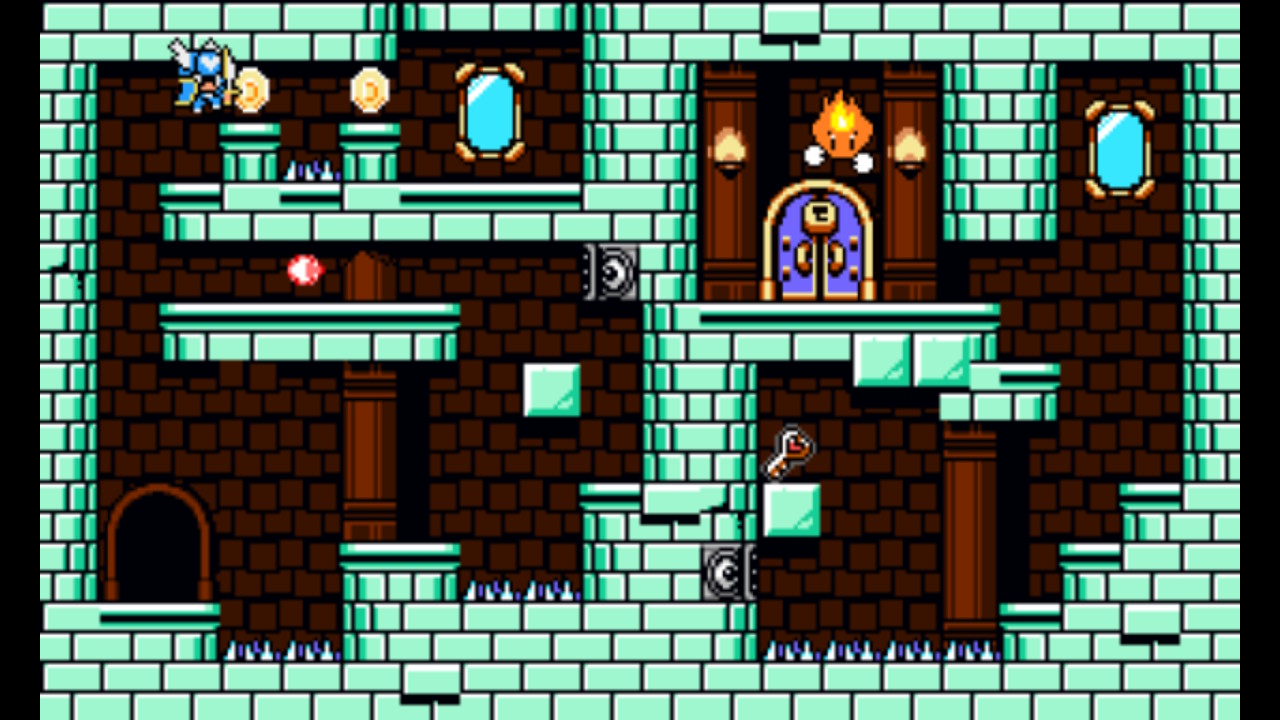
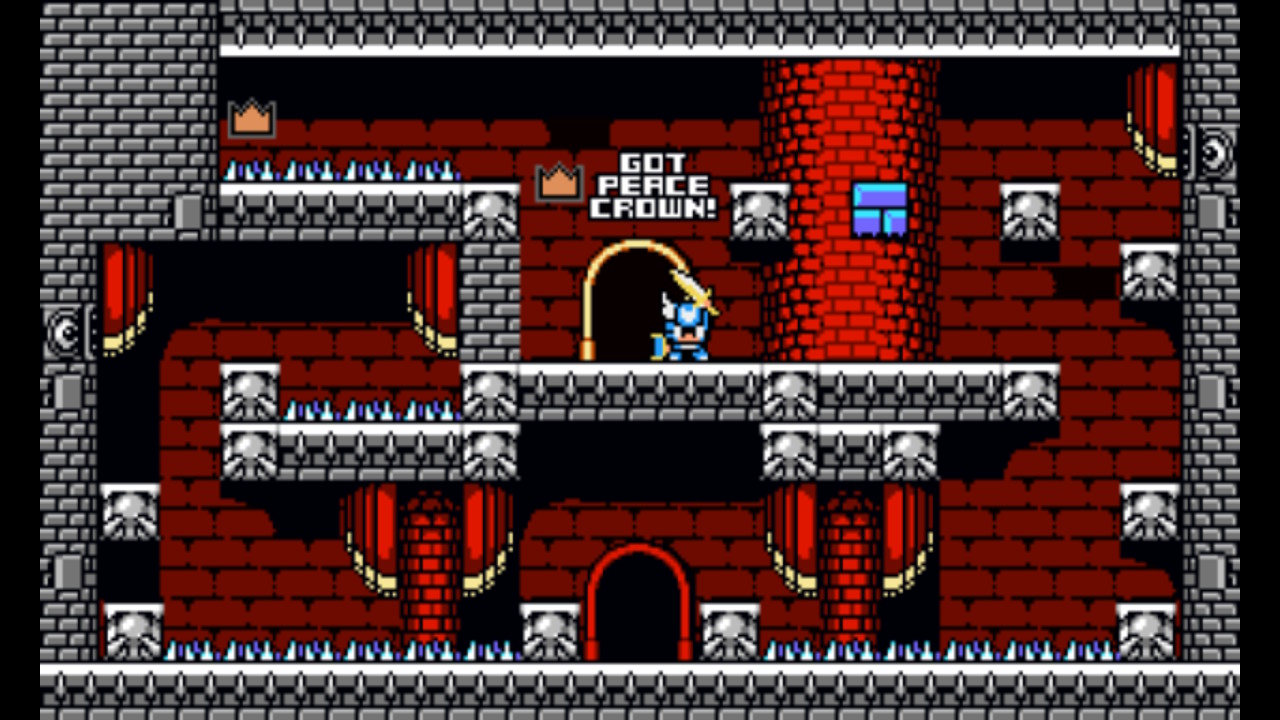
Replayability is reinforced through the crown system. Each stage contains three crowns to earn, one for clearing the room quickly, one for completing it without defeating enemies, and one hidden crown tucked somewhere within the level. These crowns are not just optional collectibles, as they tie into deeper secrets and progression paths that encourage revisiting earlier rooms with new abilities. There are also additional hidden elements scattered throughout the game that reward curiosity and experimentation. While the structure is straightforward, the sheer number of optional goals gives Lovish a surprising amount of depth for a game built around short, bite-sized levels.
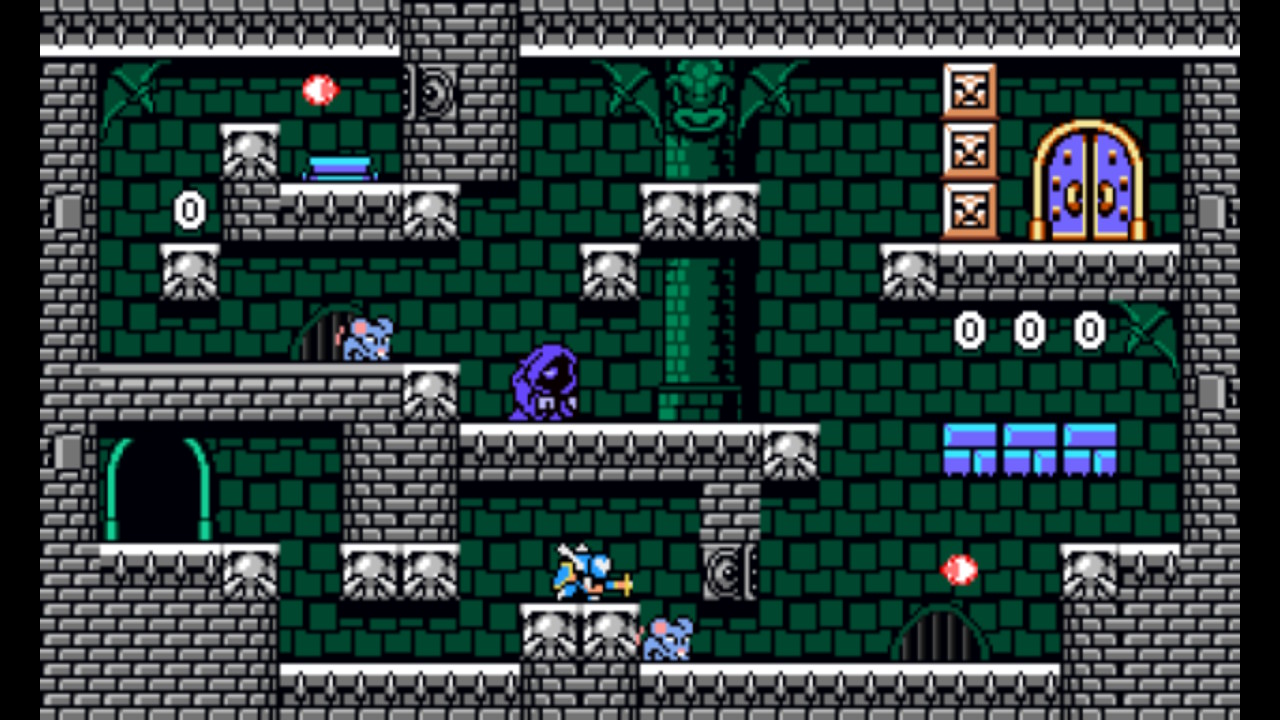
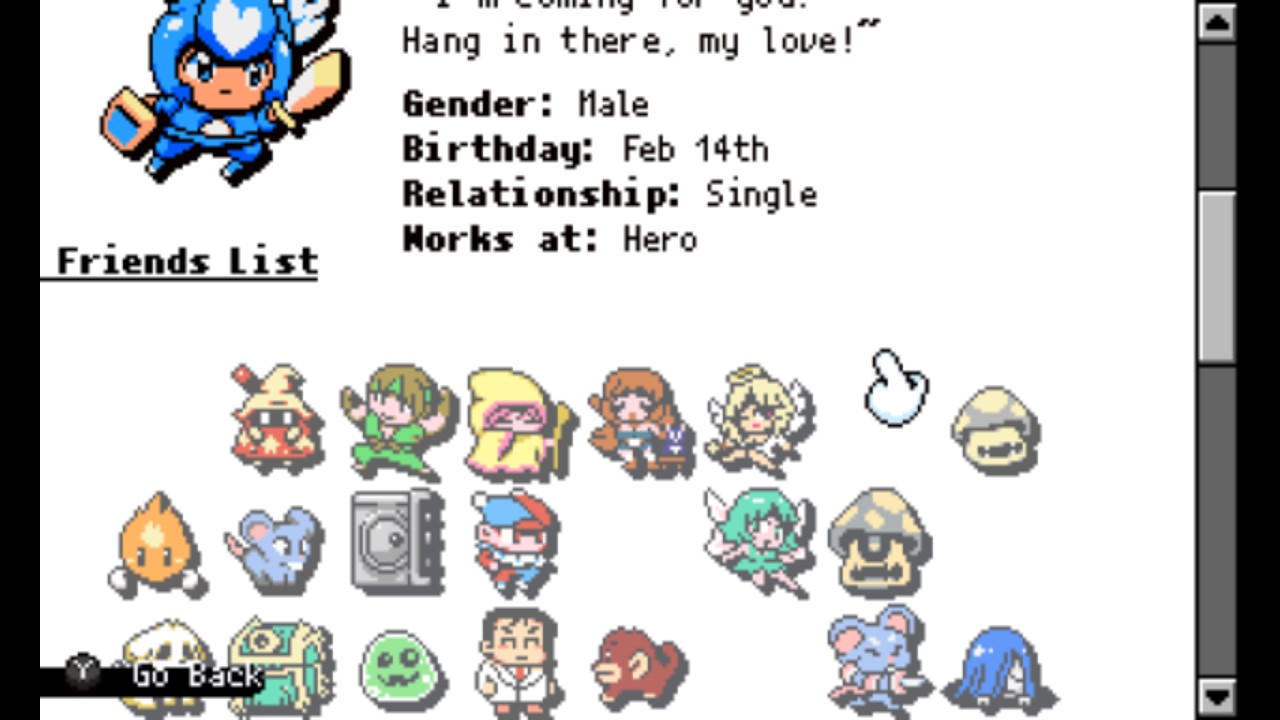
Visually, Lovish strikes a strong balance between simplicity and flair. The 8-bit inspired presentation is clean, colorful, and easy to read at all times, which is especially important given the precision platforming required later on. Each section of the castle uses its own color palette, helping areas feel distinct as you climb higher and defeat bosses. Character sprites are expressive, and boss animations in particular stand out with fluid motion that feels almost modern despite the retro aesthetic. The in game phone that lets you review characters and enemies is a thoughtful touch that recalls older games that showcased their cast during the credits. The option to toggle soft pixels on or off is another small but appreciated feature that lets you tailor the visual style to your preference.
The audio design is one of Lovish’s strongest elements. The soundtrack leans heavily into heroic chiptune melodies that feel right at home in an action adventure, while later tracks ramp up the energy to match the increasing difficulty. Music does a lot of the heavy lifting during tougher sections, helping maintain momentum even when the challenge spikes. Sound effects are equally satisfying, from the crunch of landing a hit to the sharp slice of a dash across the screen. Button presses, collapsing blocks, and the triumphant sword toss at the end of a level all sound exactly as impactful as they should. While the presentation overall is very polished, the repetition of certain sound cues over long play sessions can start to stand out, even if it never becomes truly grating.

Final Thoughts?
Lovish is a game that clearly had a lot of care poured into it. It offers a strong challenge from the outset and then layers on reasons to keep playing, whether that is hunting down every crown, uncovering secrets, or simply seeing what absurd event might pop up next. There are a few minor frustrations, such as when I unlocked a shop discount late in the game when I only had one item left to buy, which made certain rewards feel slightly wasted. Still, those moments are more amusing than irritating, and they fit the game’s offbeat sense of humor. Lovish may be built around small levels and a simple premise, but it feels full in all the right ways, leaving a lasting impression well beyond its modest scope. It’s absurd, brilliant, and impossible to put down.
About the Author

Nay Clark Gaming holds a special place in my heart and I never stop talking about video games. I really love all types of games and have an interest in games that have complicated stories and lore because I enjoy untangling the mystery of it all. When I'm not gaming, I unsuccessfully try to control three amazing and incredibly bright kids.
Related Posts

Crocs Levels Up With New Super Mario Collection, Launching 15 July →

Ball x Pit: The Shadow Update Review (Switch) →

The Day I Became a Bird Review (Switch) →